


The Most Profitable Crops to Grow in 2026
- Malik Miller

- Jun 8
- 3 min read
Many new farmers make the mistake of asking:
"What should I grow?"
The better question is:
"What can I grow that people will consistently pay for?"
Profitability in agriculture is not just about yield. It's about market demand, production costs, labor requirements, shelf life, and how quickly you can turn a crop into cash.
As we move through 2026, several crops continue to stand out for their income potential, especially for small farms, homesteads, urban farms, and direct-to-consumer operations.

1. Microgreens
Microgreens remain one of the highest-value crops per square foot available.
They can be grown indoors or in small greenhouse spaces, harvested in as little as 7–21 days, and sold directly to restaurants, farmers markets, and consumers.
Why They're Profitable:
Fast production cycles
Minimal land requirements
High retail pricing
Year-round production potential
Common Varieties:
Sunflower
Pea shoots
Radish
Broccoli
Mustard greens
For growers with limited space, microgreens continue to be one of the strongest opportunities in 2026.
2. Specialty Garlic
Garlic is often overlooked, but specialty varieties can command premium prices.
Once established, garlic stores well and offers multiple income streams through bulbs, seed garlic, garlic powder, and value-added products.
Why It's Profitable:
Long shelf life
Strong consumer demand
Low maintenance after establishment
Premium pricing for specialty varieties
Hardneck and gourmet varieties often sell for significantly more than standard grocery store garlic.
3. Culinary Herbs
Fresh herbs remain a favorite among market gardeners because of their high value and relatively small space requirements.
Popular Options:
Basil
Cilantro
Parsley
Mint
Dill
Oregano
Why They're Profitable:
Repeat purchases from customers
Fast regrowth
Strong restaurant demand
Easy direct-to-consumer sales
Many herb growers generate more revenue per square foot than traditional row-crop operations.
4. Tomatoes
Tomatoes continue to be one of the most popular and profitable crops for local food producers.
Consumers are often willing to pay a premium for locally grown tomatoes that offer better flavor than store-bought alternatives.
Why They're Profitable:
Strong consumer demand
Multiple sales channels
Potential for value-added products
Repeat seasonal customers
Heirloom and specialty tomatoes generally bring the highest prices.
5. Strawberries
Strawberries remain one of the strongest direct-market crops available.
Operations that combine strawberries with U-pick experiences often increase profitability even further.
Why They're Profitable:
Premium pricing
Family-friendly agritourism opportunities
Strong seasonal demand
High retail value
While startup costs can be higher, many growers find strawberries to be a worthwhile investment.
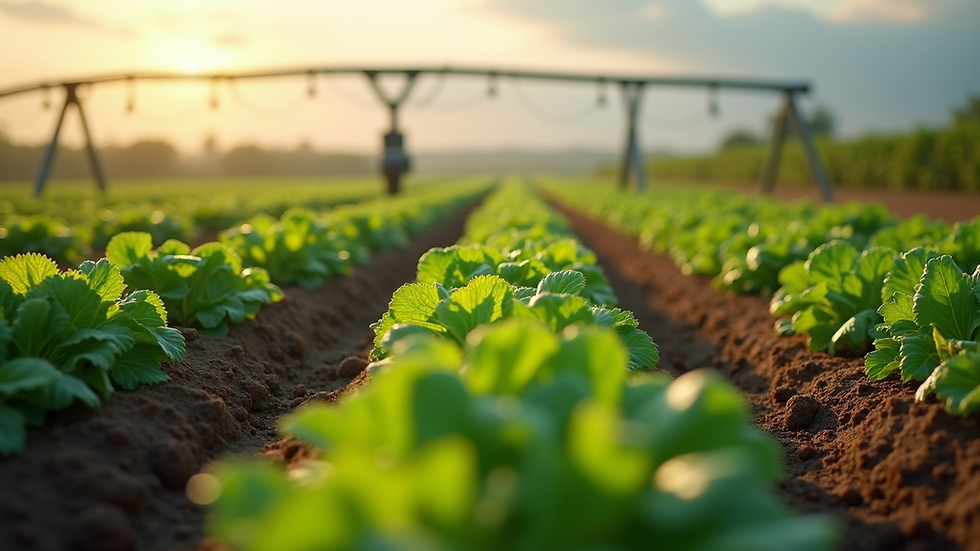
6. Leafy Greens
Leafy greens remain a staple crop for farmers markets, CSAs, and local grocery programs.
Popular Choices:
Lettuce
Kale
Spinach
Arugula
Swiss chard
Why They're Profitable:
Multiple harvests
Fast growth cycles
Consistent consumer demand
Easy market access
Leafy greens can provide steady cash flow throughout much of the growing season.
7. Berries
Blueberries, blackberries, and raspberries continue to offer excellent income potential.
Although establishment can take several years, mature berry operations often generate strong returns.
Why They're Profitable:
Premium pricing
Repeat customers
U-pick opportunities
Value-added product options
Many successful small farms build their business around berry production.
8. Peppers
Hot peppers and specialty peppers have become increasingly profitable due to consumer demand and the growth of specialty food markets.
Why They're Profitable:
High yields
Strong market demand
Value-added opportunities
Specialty varieties command premium prices
Hot sauce producers and local restaurants often create consistent demand.
9. Mushrooms
For growers interested in intensive production systems, gourmet mushrooms continue to offer significant income potential.
Popular Varieties:
Oyster mushrooms
Lion's Mane
Shiitake
Why They're Profitable:
High value per pound
Small space requirements
Year-round production
Growing consumer interest
Mushrooms can be an excellent enterprise for farms with limited acreage.
10. Lavender
Lavender offers both agricultural and agritourism opportunities.
Income Streams:
Fresh bundles
Dried flowers
Essential oils
Soap products
Agritourism events
Why It's Profitable:
Multiple revenue streams
Long-term perennial production
Strong niche market demand
Lavender is particularly attractive for farms looking to diversify.
The Real Secret to Crop Profitability
The most profitable crop is not always the crop with the highest selling price.
The most profitable crop is often the one that:
Fits your climate
Matches your available labor
Has an established market
Produces consistent demand
Aligns with your business goals
Too many people grow what they like.
Successful farmers grow what the market buys.
Before planting anything, identify your customers, understand your costs, and create a realistic production plan.
Agriculture is a business first and a production system second.
The farmers who understand that distinction are usually the ones who stay profitable.
Educational purposes only. Results vary by region, market conditions, management practices, and available resources.


Comments