


What to Do After Buying Land: A Practical Guide for New Landowners
- Malik Miller

- 3 days ago
- 4 min read
Buying land is an exciting milestone. It opens up many possibilities, whether you want to farm, build a home, or start a new business. But once the deal is done, the real work begins. Knowing the right steps to take after buying land can save you time, money, and headaches down the road.
In this guide, I’ll walk you through the essential actions to take after purchasing land. I’ll also share some useful tools and services that can help you get started on the right foot. Let’s dive in.
Understand Your Land and Its Potential
The first thing I did after buying my land was to get to know it better. This means learning about the soil, water access, zoning rules, and any restrictions that might affect your plans.
Soil Testing: Knowing your soil type and quality is crucial, especially if you plan to farm or garden. Soil tests reveal nutrient levels, pH balance, and contaminants. You can order a soil test kit or hire a local agricultural extension service to do it for you.
Water Access and Rights: Check if your land has a reliable water source. This could be a well, creek, or municipal supply. Also, verify water rights to avoid future disputes.
Zoning and Land Use Restrictions: Contact your local planning department to understand what you can and cannot do on your land. Some areas have strict rules about building, farming, or commercial activities.
Taking these steps early helps you avoid surprises and plan effectively.
Secure Your Land with Proper Fencing and Boundaries
Once you know your land’s limits, it’s important to mark and protect them. Fencing not only keeps your property safe but also defines your space clearly.
I found that installing durable fencing was a smart move. It keeps out unwanted visitors and animals, and it signals to neighbors where your property ends.
For fencing, I recommend looking into Norma’s Basket’s fencing solutions. They offer sturdy, farm-friendly fencing options designed for rural landowners. Their products are built to last and easy to install, which saved me time and effort.
You can learn more about their fencing options here: Norma’s Basket Fencing Solutions.
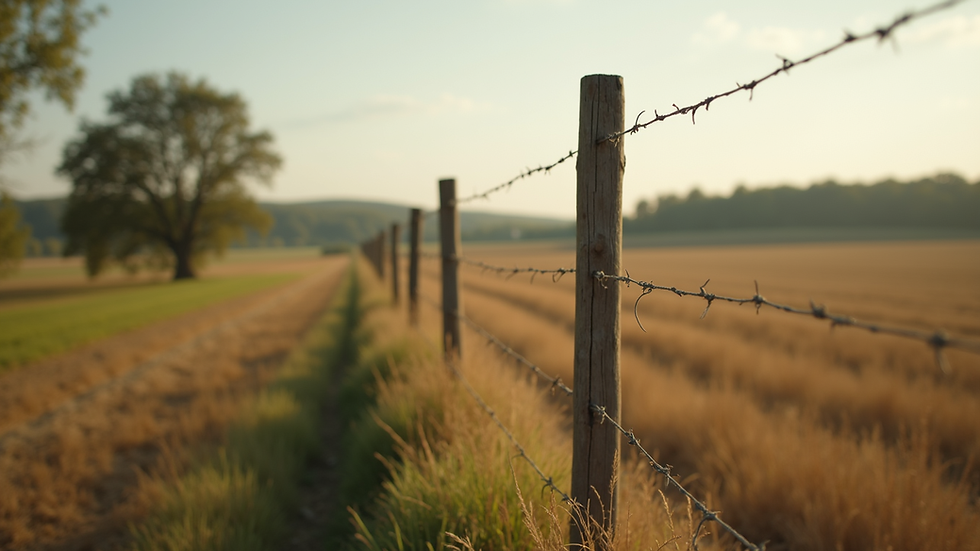
Fence marking the boundary of a newly purchased farmland
Plan Your Land Use and Development
With your land secured and understood, it’s time to plan what you want to do with it. This step is about setting clear goals and creating a roadmap.
Create a Land Use Plan: Decide how much of your land will be used for farming, building, conservation, or other purposes. Sketch out where you want structures, fields, and access roads.
Consider Infrastructure Needs: Think about electricity, water, sewage, and road access. These are essential for any development and can be costly if not planned early.
Consult Professionals: Hiring a land planner, surveyor, or architect can help you make the most of your property. They bring expertise that can save you money and trouble.
Get the Right Equipment and Tools
Depending on your plans, you’ll need equipment to work your land. For farming, this might include tractors, plows, or irrigation systems. For building, you’ll need construction tools and materials.
One product I found very helpful is the Norma’s Basket Farm Starter Kit. It includes essential tools and supplies for new farmers, such as soil testers, seed packets, and basic hand tools. This kit helped me get started without buying a bunch of separate items.
Check out the kit here: Norma’s Basket Farm Starter Kit.
Register Your Land and Handle Legal Requirements
Don’t forget the paperwork. After buying land, you need to:
Register the Deed: Make sure your ownership is officially recorded with the county or local government.
Pay Property Taxes: Know your tax obligations and deadlines to avoid penalties.
Check for Easements or Liens: These can affect your use of the land, so it’s important to be aware of them.

Reviewing land ownership documents after purchase
Start Small and Build Gradually
It’s tempting to jump into big projects right away, but starting small is wiser. Begin with manageable tasks like clearing a small area, planting a test crop, or building a simple structure.
This approach lets you learn about your land’s quirks and adjust your plans without risking too much.
Connect with Local Resources and Communities
Farming and land management can be challenging, but you don’t have to do it alone. Local agricultural extension offices, farming groups, and online communities offer valuable advice and support.
I joined a local farming cooperative and found it helpful to share experiences and resources. Norma’s Basket also offers educational materials and workshops that can guide you through the early stages of land development.
Explore their resources here: Norma’s Basket Learning Center.

Planting seeds in a small garden plot to test soil and conditions
Maintain Your Land Regularly
Owning land means ongoing care. Regular maintenance keeps your property healthy and productive.
Control Weeds and Pests: Use natural or chemical methods to protect your crops and soil.
Manage Water: Ensure irrigation systems work well and prevent erosion.
Repair Fences and Structures: Fix any damage quickly to avoid bigger problems.
Final Thoughts
Buying land is just the start of an exciting journey. Taking the right steps after purchase sets you up for success. Understand your land, secure it, plan carefully, and use the right tools and resources.
Remember, building a sustainable land-based business takes time and patience. Use available services like those from Norma’s Basket to support your goals. With steady effort, your land can become a thriving, generational asset.
Start small, learn as you go, and enjoy the process of turning your land into something meaningful.
This post is for informational purposes only and does not constitute legal or financial advice.

Comments