


The Minimum You Need to Start Farming (Real Breakdown)
- Malik Miller

- Apr 13
- 3 min read
Most people never start farming for one reason:
They think they need more than they actually do.
More land.More money.More equipment.More time.
So they wait.
And while they’re waiting, someone else starts smaller, learns faster, and builds momentum.
The truth is simple:
You don’t need 50 acres. You don’t need $100,000. You don’t need perfect conditions.
You need a functional foundation.
This is the real minimum required to start a farm.

1. Water Access (Non-Negotiable)
Water is the backbone of any farm.
Without it, nothing grows, nothing survives, and nothing produces income.
Before you think about crops, livestock, or infrastructure, you need to answer one question:
Where is your water coming from?
Your options:
A drilled well
City or rural water connection
Water storage tanks (paired with delivery or catchment)
Typical costs:
Well: $8,000–$20,000
Basic water system: $500–$3,000
Minimum requirement:
You need reliable, consistent daily water access that can support your operation without interruption.
If your water is unstable, your farm is unstable.
2. Basic Infrastructure (Control Your Environment)
You don’t need a fully developed farm.
But you do need control.
Without basic infrastructure, you risk:
losing animals
damaging crops
wasting time and money
Minimum setup:
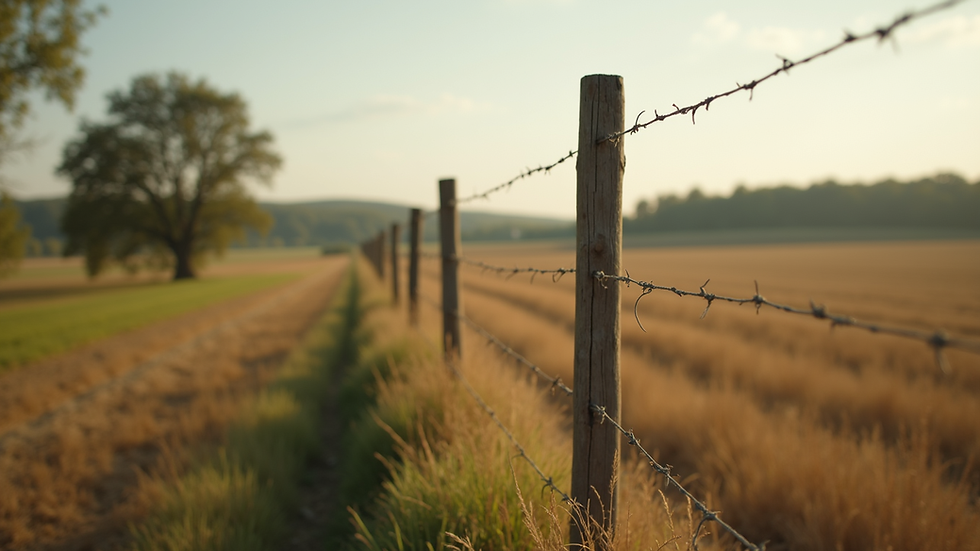
Fencing (partial or full): $1,000–$5,000
Coop, raised beds, or growing space: $500–$3,000
Storage (shed, container, or tarp system): $200–$2,000
Why this matters:
Infrastructure is not about looking professional. It’s about protecting your system.
A simple fence can prevent thousands of dollars in losses. A basic shelter can protect your investment from weather. A small storage setup keeps your operation organized and efficient.
Control creates consistency. Consistency creates income.
3. Tools (Keep It Simple)
One of the biggest mistakes beginners make is over-investing in equipment.
You do not need a tractor to start.
In fact, most small farms under 5 acres can be run efficiently with hand tools.
Start with:
shovel
rake
hoe
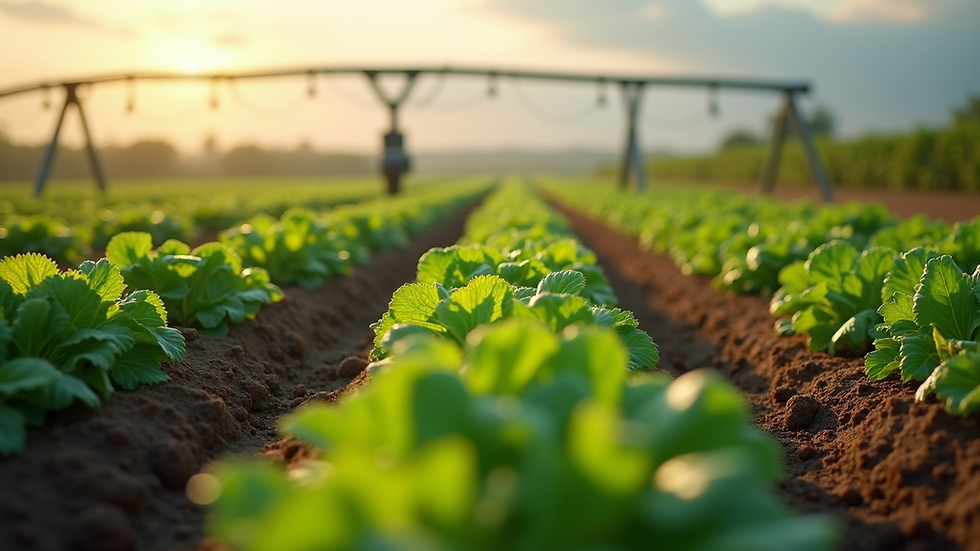
watering system (hose, drip irrigation, or basic setup)
Typical cost:
$300–$2,000
Tools don’t make you profitable. Systems do.
Focus on learning how to produce before investing in machinery.
4. Production Input (Start Focused, Not Scattered)
Trying to do everything at once is one of the fastest ways to fail in farming.
Instead, focus on one or two products and do them well.
Example options:
Chickens (eggs):
50–100 hens: $500–$2,000
Production starts in ~18–24 weeks
Vegetables:
Seeds + soil inputs: $200–$1,000
Fast-growing crops can produce within 30–60 days
The goal:
Start small.Learn fast.Validate demand.
You don’t need a diversified farm to start.You need a profitable one.
5. A Market (The Most Important Piece)
This is where most people get it wrong.
They focus on production first…and customers later.
That’s backwards.
Before you plant anything or buy a single animal, you need to know:
Who is buying from you?
How often will they buy?
What are they willing to pay?
Realistic pricing examples:
Eggs: $5–$8 per dozen (direct-to-consumer)
Vegetables: $3–$6 per unit depending on crop and market
Potential sales channels:
local communities
farmers markets
direct-to-consumer (neighbors, social media, subscriptions)
restaurants
If you don’t have a market, you don’t have a farm.You have a hobby.
Realistic Startup Budget
You can start a functional farm with:
$2,000–$10,000
Lean setup example:
Tools: $500
Chickens: $1,000
Fencing + infrastructure: $2,000
This is not about building a perfect farm.
This is about building a working system that generates income.
Start lean.Reinvest your profits.Scale over time.
The Truth Most People Avoid
The biggest barrier to starting a farm is not money.
It’s hesitation.
People wait for:
more land
better timing
more knowledge
perfect conditions
But the farmers who succeed do something different:
They start with what they have.
Then they adjust.
Then they grow.
You don’t need everything figured out.
You need:
structure
consistency
a clear plan
Final Thought
Farming is not about how big you start.
It’s about how well you build.
A small, well-structured farm will outperform a large, unorganized one every time.
Start with the minimum.Master the basics.Then scale with intention.
Want Help Starting the Right Way?
If you want to build a farm based on your actual budget, land, and goals…
Apply for Farm Pro Plus or book a Farm Readiness Strategy Call.
This is where we:
build your farm plan
structure your startup
identify funding opportunities
map out your first 90 days
You don’t need more information.
You need the right strategy.
Comments