


Building Your Farm's Foundation: The Crucial First 90 Days for Success

Starting a farm is an exciting journey, but the first 90 days will shape your future success or lead to costly mistakes. Many new farmers rush into buying animals, planting everything at once, or trying to look like a farmer instead of thinking like a business owner. The reality is simple: the first 90 days are about building a strong foundation, not chasing profit. If you focus on the right steps during this critical period, everything that follows will be easier, cheaper, and more scalable.
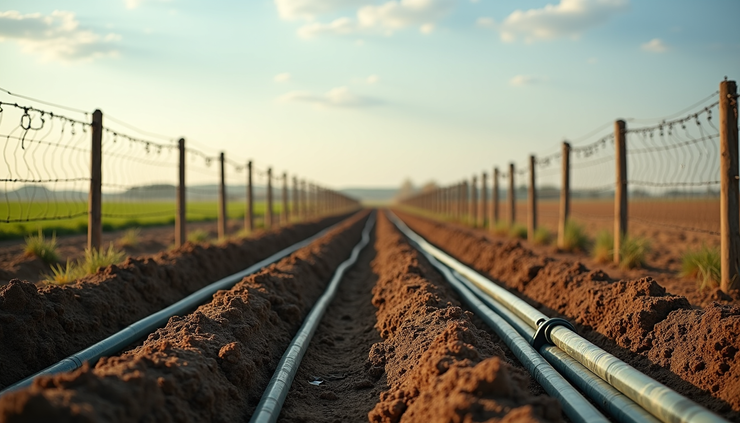
Setting up farm infrastructure and soil testing in early days
Days 1 to 30 — Observation, Setup, and Reality Check
This phase is where most new farmers make mistakes. Instead of jumping straight into farming, you need to spend time learning about your land and setting up essential infrastructure. You are not farming yet; you are preparing to farm.
Understand Your Land
Soil Testing
Test your soil for pH, nutrient levels, and composition. This information guides what crops will thrive and what amendments you need.
Drainage Patterns
Observe where water collects or runs off during rain. Poor drainage can harm crops and livestock.
Sun Exposure
Map out full sun and shaded areas. Some plants and animals need more sunlight than others.
Wind Direction
Know prevailing winds to protect crops, animals, and structures from damage.
Lock in Water Access
Water is the lifeblood of any farm. Without a reliable source, your farm cannot survive.
Identify wells, ponds, or rural water connections.
Test water pressure and flow rate.
Plan irrigation systems before planting anything.
Remember, no water plan means no farm.
Build Basic Infrastructure
Start with the essentials that support your farm’s operations.
Fencing, especially if you plan to keep livestock.
Access roads or drive paths for easy movement.
Storage spaces like sheds or barns for tools and supplies.
Create a Real Plan
Avoid vague ideas. Be specific about your goals.
Decide what you will produce first.
Identify your target customers.
Set realistic timelines for generating revenue.
Mistakes to Avoid
Buying livestock too early before infrastructure and water are ready.
Planting without proper soil preparation.
Ignoring zoning laws or water restrictions.
Overbuilding infrastructure without a clear revenue plan.
Days 31 to 60 — Controlled Execution
Now it’s time to start small-scale farming. This phase is about testing your systems, not going big.
Start With One Revenue Stream
Focus on one product to keep things manageable.
Chickens for eggs or meat
Goats or sheep for meat or breeding
Vegetables grown market garden style
Concentrate on mastering one area before expanding.
Test Production Systems
Collect data to understand costs and risks.
Track feed costs versus output.
Measure daily labor requirements.
Monitor mortality rates or crop failures.
This phase is about learning what works, not chasing perfection.
Begin Small
Plant a small vegetable patch, raise a few chickens, or start with a handful of goats. Use this time to refine your processes and adjust your plan based on real-world results.
Days 61 to 90 — Refinement and Scaling Preparation
With initial tests complete, you can start refining your approach and preparing to scale.
Analyze Data and Adjust
Review the information collected during controlled execution.
Identify what worked well and what didn’t.
Adjust feeding, planting, or care routines.
Improve infrastructure based on practical needs.
Expand Thoughtfully
If your first revenue stream shows promise, consider expanding it carefully.
Increase flock size or planting area gradually.
Add complementary crops or animals only after mastering the first.
Strengthen Your Market Connections
Build relationships with buyers, farmers markets, or local stores.
Gather feedback on your products.
Explore direct sales or community-supported agriculture (CSA) options.
Plan for Long-Term Growth
Develop a business plan that includes:
Cash flow projections
Seasonal planting and breeding schedules
Infrastructure upgrades timed with revenue growth


Comments