


The History of Agriculture: How Farming Built Civilization
- Malik Miller

- May 12
- 3 min read
Agriculture is one of the most important developments in human history. Long before modern cities, technology, and global trade, farming became the foundation that allowed humanity to grow, organize, and survive on a larger scale.
The history of agriculture is not just about crops and livestock. It is the story of how humans transitioned from surviving day-to-day to building civilizations, economies, cultures, and nations.

The Beginning of Agriculture
Before agriculture, humans lived primarily as hunter-gatherers. Small groups traveled constantly in search of food, hunting animals and collecting wild plants, berries, nuts, and roots.
This lifestyle lasted for thousands of years.
Then, around 10,000 to 12,000 years ago, something changed.
Humans began noticing patterns in nature:
seeds dropped into the ground would grow
certain plants produced better food
animals could be domesticated and bred
staying in one area could provide more stability
This shift became known as the Agricultural Revolution or the Neolithic Revolution.
Instead of constantly moving, humans began settling near fertile land and water sources.
This single change reshaped the world forever.
Early Farming Civilizations
Some of the first major agricultural societies developed in regions known as “fertile crescents” where water and rich soil supported crop growth.
Major early agricultural regions included:
Mesopotamia (modern-day Iraq)
Ancient Egypt along the Nile River
China along the Yellow River
Mesoamerica
The Indus Valley
Early farmers grew crops such as:
wheat
barley
rice
corn (maize)
beans
They also domesticated animals like:
cattle
sheep
goats
pigs
chickens
Agriculture allowed food surpluses to develop.
For the first time in history, not everyone had to search for food daily.
This led to:
permanent settlements
population growth
specialized jobs
trade systems
governments
written language
In many ways, agriculture created civilization itself.
Agriculture and Human Progress
As farming expanded, humans developed better tools and techniques.
Some major agricultural advancements included:
Irrigation Systems
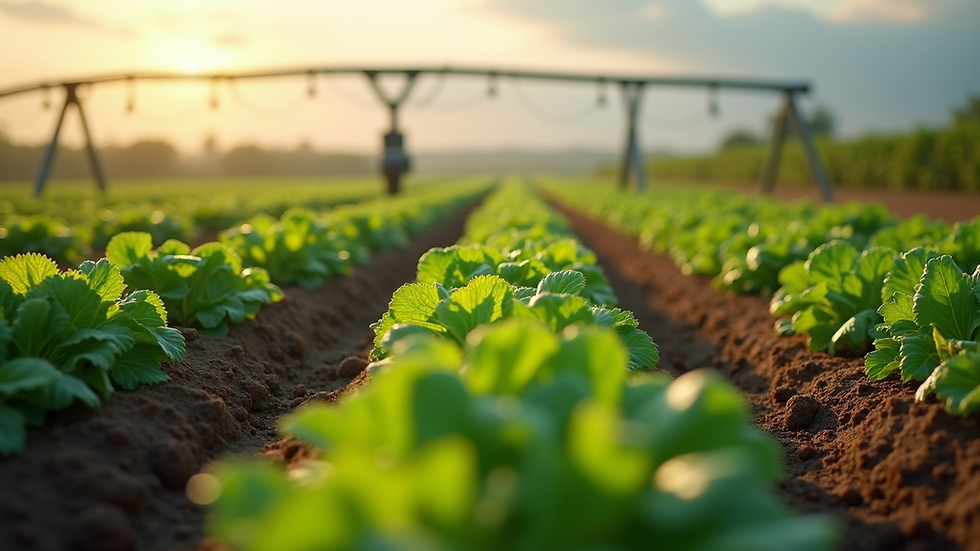
Early farmers learned how to move water using canals and irrigation systems, allowing crops to grow in dry climates.
Animal Power
Oxen and horses were used to pull plows, increasing productivity and reducing labor demands.
Crop Rotation
Farmers discovered that rotating crops helped maintain soil fertility and reduce nutrient depletion.
Selective Breeding
Humans began breeding plants and animals with desirable traits, improving production over generations.
These innovations increased yields and helped populations continue growing.
The Agricultural Revolution of the 1700s and 1800s
Another major turning point occurred during the Agricultural Revolution in Europe.
This era introduced:
mechanized farming equipment
improved plows
seed drills
scientific breeding methods
better land management practices
Farm efficiency increased dramatically.
Fewer people were needed to produce food, which allowed more people to move into cities and work in factories during the Industrial Revolution.
Agriculture and industrialization became deeply connected.
Modern Agriculture
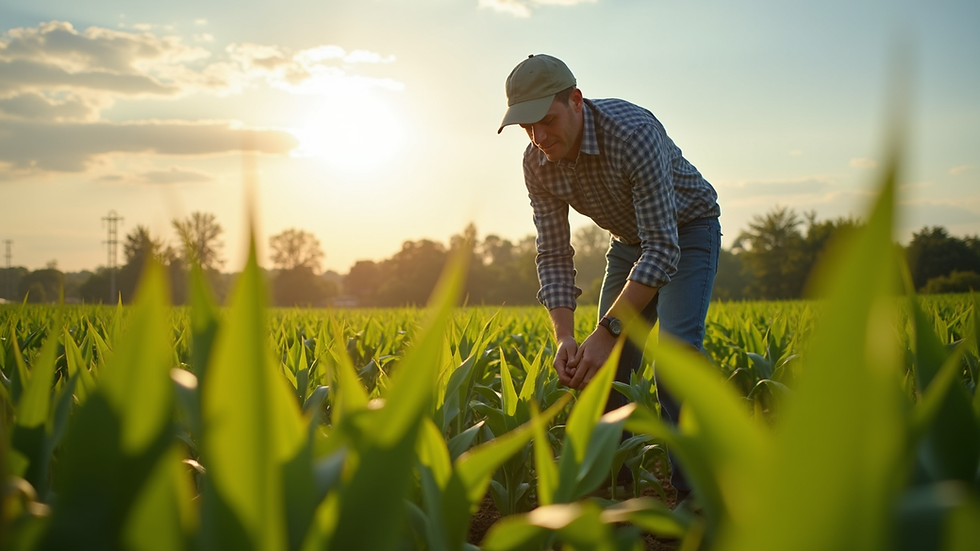
Today, agriculture is one of the most technologically advanced industries in the world.
Modern farming includes:
GPS-guided tractors
drones
artificial intelligence
hydroponics
genetic research
precision agriculture
automated irrigation systems
embryo transfer and livestock genetics
Farmers now produce more food on less land than at any point in history.
At the same time, agriculture faces modern challenges such as:
rising input costs
water shortages
climate variability
land access issues
labor shortages
supply chain disruptions
Because of this, innovation continues to shape the future of farming.
Agriculture’s Cultural Importance
Agriculture is more than economics.
For many families and communities, farming represents:
tradition
resilience
stewardship
faith
independence
legacy
Generations have been built around the land.
Even today, agriculture feeds the world while supporting rural communities, local economies, and national food security.
The Future of Agriculture
The future of agriculture will likely combine traditional knowledge with modern technology.
Areas expected to grow include:
regenerative agriculture
vertical farming
local food systems
biotechnology
livestock genetics
sustainable water management
direct-to-consumer farming
As populations continue growing, the importance of efficient and sustainable agriculture will only increase.
The farmers of the future will not only produce food.
They will also manage technology, genetics, business systems, marketing, sustainability, and data.
Final Thoughts
Agriculture transformed humanity from small nomadic groups into organized civilizations capable of building nations and shaping the modern world.
Every meal, every city, and every economy traces back to the development of farming.
The history of agriculture reminds us that farming is not just an industry.
It is one of the foundations of human existence itself.
And even as technology advances, the land continues to remain one of humanity’s greatest responsibilities and opportunities.
Comments