


How to Start Your Farm from Scratch
- Malik Miller

- 3 minutes ago
- 4 min read
Starting a farm from scratch can feel overwhelming. You might wonder where to begin, what steps to take, and how to avoid costly mistakes. I’ve been there, and I want to share a clear path to help you build a strong foundation for your farm. Whether you dream of growing crops, raising animals, or both, this guide will walk you through the essential steps to get your farm up and running.
Planning Your Farm with a Clear Vision
Before you plant a single seed or buy livestock, you need a solid plan. Farming is a long-term commitment, and having a clear vision will guide your decisions and keep you focused.
Define your goals: What do you want to achieve? Are you aiming for a small family farm, a commercial operation, or something in between? Knowing your goals helps shape your plan.
Choose your farm type: Decide if you want to focus on crops, livestock, or a mix. Each has different needs and challenges.
Research your market: Understand who will buy your products. Local farmers markets, restaurants, or direct-to-consumer sales all have different demands.
Assess your resources: Look at your land, water availability, climate, and budget. These factors will influence what you can grow or raise.
Creating a detailed plan might seem like a lot, but it’s worth the effort. For serious producers, partnering with experts can make a big difference. For example, Farm Pro Plus offers long-term advisory support to help farmers secure funding, stay compliant, and grow responsibly. This kind of guidance can turn your vision into a practical, step-by-step plan that adapts as your farm grows. You can learn more about their services here.

Freshly plowed field ready for planting on a small farm
Securing Land and Preparing Your Site
Once you have a plan, the next step is finding the right land. Location matters a lot in farming. You want soil that supports your crops or pasture, access to water, and a site that fits your budget.
Evaluate soil quality: Test your soil for nutrients, pH, and drainage. Good soil reduces the need for heavy fertilizers and improves crop health.
Check water sources: Reliable water is essential. Look for wells, streams, or irrigation options.
Consider zoning and regulations: Make sure your land is zoned for farming and check any local rules about livestock or structures.
Prepare the land: Clear debris, remove rocks, and till the soil if needed. This step sets the stage for planting or building.
If you’re new to this, it helps to get advice from experienced farmers or agricultural advisors. They can help you avoid common pitfalls and plan for future expansion. Again, services like Farm Pro Plus provide ongoing support to help you stay compliant and grow with confidence.
Choosing the Right Equipment and Supplies
Starting a farm means investing in tools and equipment. You don’t need everything at once, but some basics are essential.
Tractors and tillers: For soil preparation and planting.
Irrigation systems: To keep your crops watered efficiently.
Fencing and shelters: If you plan to raise animals.
Seeds and livestock: Choose varieties suited to your climate and goals.
Buy quality equipment that fits your scale. Renting or buying used gear can save money at first. As your farm grows, you can upgrade.
Learning Farming Skills and Building Knowledge
Farming requires many skills, from planting and harvesting to animal care and business management. Take time to learn and practice.
Attend workshops and courses: Local extension offices and agricultural colleges often offer training.
Join farming groups: Connect with other farmers to share tips and support.
Read books and online resources: There’s a wealth of information available.
Remember, farming is a journey. You’ll learn from successes and mistakes. Having a trusted advisor or mentor can speed up your progress and help you avoid costly errors.
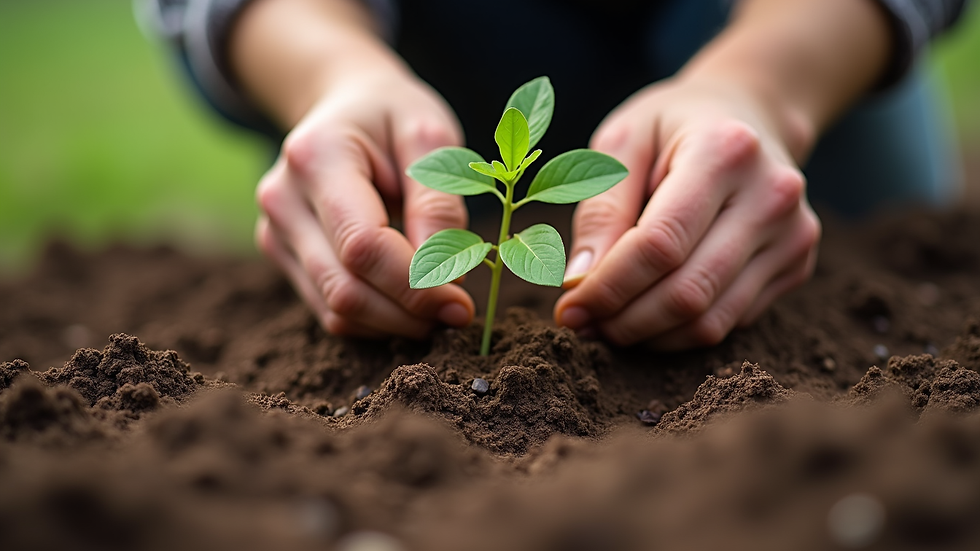
Planting seeds carefully in well-prepared soil
Managing Finances and Securing Funding
Starting a farm requires money. You’ll need funds for land, equipment, seeds, and daily operations. Managing your finances well is key to staying afloat.
Create a budget: List all expected costs and income.
Explore funding options: Look into loans, grants, and investment programs for farmers.
Keep detailed records: Track expenses and sales to understand your farm’s financial health.
Many new farmers find it helpful to work with advisors who specialize in agricultural finance. For example, Farm Pro Plus helps producers prepare approval-ready documentation and secure funding. This support can make the difference between struggling and thriving.
Building Sustainable Practices
Sustainability is more than a buzzword. It means farming in a way that protects the land, water, and community for future generations.
Rotate crops: This prevents soil depletion and reduces pests.
Use natural fertilizers: Compost and manure improve soil health.
Conserve water: Use drip irrigation and rainwater collection.
Protect wildlife: Maintain natural habitats around your farm.
Sustainable farming not only benefits the environment but can also improve your farm’s productivity and reputation.
Marketing Your Farm Products
Once you have products to sell, you need to find customers. Marketing your farm is about telling your story and building trust.
Create a brand: Develop a name, logo, and message that reflect your farm’s values.
Use local markets: Farmers markets, CSA programs, and local stores are great places to start.
Build an online presence: A simple website or social media page helps customers find you.
Offer farm visits or events: Let people see where their food comes from.
Marketing takes time, but it builds loyal customers who support your farm’s growth.

Fresh vegetables displayed at a local farm stand
Growing Your Farm Over Time
Starting small is smart. As you gain experience and confidence, you can expand your operation.
Reinvest profits: Use earnings to buy more land or equipment.
Diversify products: Add new crops or animals to reduce risk.
Seek expert advice: Long-term partnerships with advisors help you plan growth responsibly.
For example, a cattle producer in Oklahoma used Farm Pro Plus to expand their operation while staying compliant and securing funding. This kind of support helps farmers scale with confidence.
Starting a farm from scratch is a big challenge, but it’s also deeply rewarding. With a clear plan, the right resources, and ongoing support, you can build a farm that lasts for generations. Take the first step today by setting your goals and exploring expert advice like Farm Pro Plus to guide your journey.
Your farm’s future starts with the choices you make now. Keep learning, stay flexible, and enjoy the process of growing something meaningful.


Comments