


Best Produce to Grow as a Small Business
- Malik Miller

- Jan 14
- 2 min read
A practical guide for small farms and first-generation growers
Starting a small farm or turning a garden into a profitable venture is less about growing everything and more about growing the right things. The most successful small-scale farms focus on produce that is high-demand, fast-turnover, and profitable per square foot. Below are some of the best crops to grow when you want to turn produce into a real small business.

1. Leafy Greens (Fast, Reliable, High Demand)
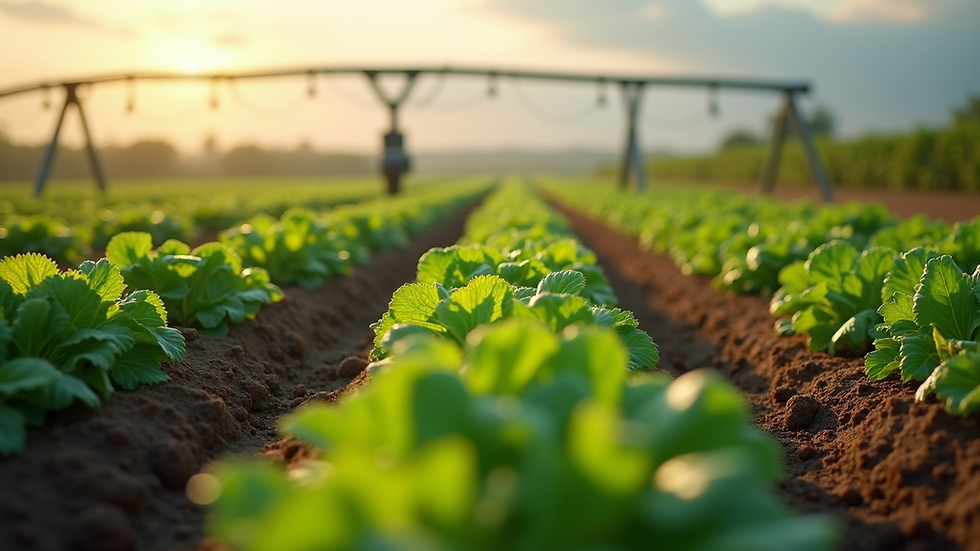
Leafy greens are a cornerstone of profitable small farms. Crops like collard greens, kale, spinach, lettuce, and mixed salad blends grow quickly and can be harvested multiple times per season.
Why they work
Short growing cycles (30–45 days)
Strong demand at farmers markets and restaurants
Can be grown intensively in small spaces
Easy to scale with succession planting
Best for
Farmers markets
CSA boxes
Local restaurants
2. Microgreens (High Value, Low Space)
Microgreens are one of the most profitable crops per square foot. They are harvested in 7–21 days and sell at premium prices due to their flavor, nutrition, and visual appeal.
Popular varieties
Sunflower
Pea shoots
Radish
Broccoli
Why they work
Can be grown indoors year-round
Minimal land required
High margins with consistent buyers
Ideal for restaurants and health-conscious consumers
3. Herbs (Small Plants, Big Profits)
Fresh herbs are lightweight, quick-growing, and command strong prices. Many customers prefer fresh herbs over dried, especially when buying local.
Top sellers
Basil
Cilantro
Parsley
Mint
Rosemary
Why they work
Continuous harvest potential
High value per pound
Easy to bundle or upsell
Strong demand from chefs
4. Specialty Vegetables (Stand Out, Charge More)
Specialty and heirloom vegetables help small farms differentiate themselves from grocery stores. Customers are willing to pay more for unique varieties and better flavor.
Examples
Heirloom tomatoes
Rainbow carrots
Purple sweet potatoes
Specialty peppers
Why they work
Premium pricing
Strong storytelling and branding potential
Great for farmers markets and direct sales
5. Root Crops (Reliable and Storable)
Root crops may not be flashy, but they are dependable and store well. This allows farmers to sell over longer periods instead of rushing to market.
Best options
Sweet potatoes
Beets
Turnips
Radishes
Why they work
Longer shelf life
Consistent household demand
Lower spoilage risk
Easy to bundle in bulk sales
6. Fruit Crops for Long-Term Income
Fruit crops often take longer to establish, but once productive, they can generate strong recurring income year after year.
Good options for small farms
Blueberries
Figs
Peaches
Blackberries
Why they work
High customer loyalty
Strong seasonal demand
Value-added potential (jams, preserves, frozen fruit)
Final Thoughts: Think Like a Business Owner
The most profitable small farms are not the ones growing the most crops. They are the ones growing intentionally.
Before planting, ask yourself:
Who is my buyer?
How fast can I turn this crop into cash?
How much can I earn per square foot?
Can I grow this consistently and reliably?
Start small, master a few crops, build relationships with buyers, and scale with purpose. Farming can absolutely be a business, but only when it is treated like one.
If you want help choosing crops, structuring your farm, or building a real funding and growth plan, that is exactly the type of work I help farmers with every day.

Comments